
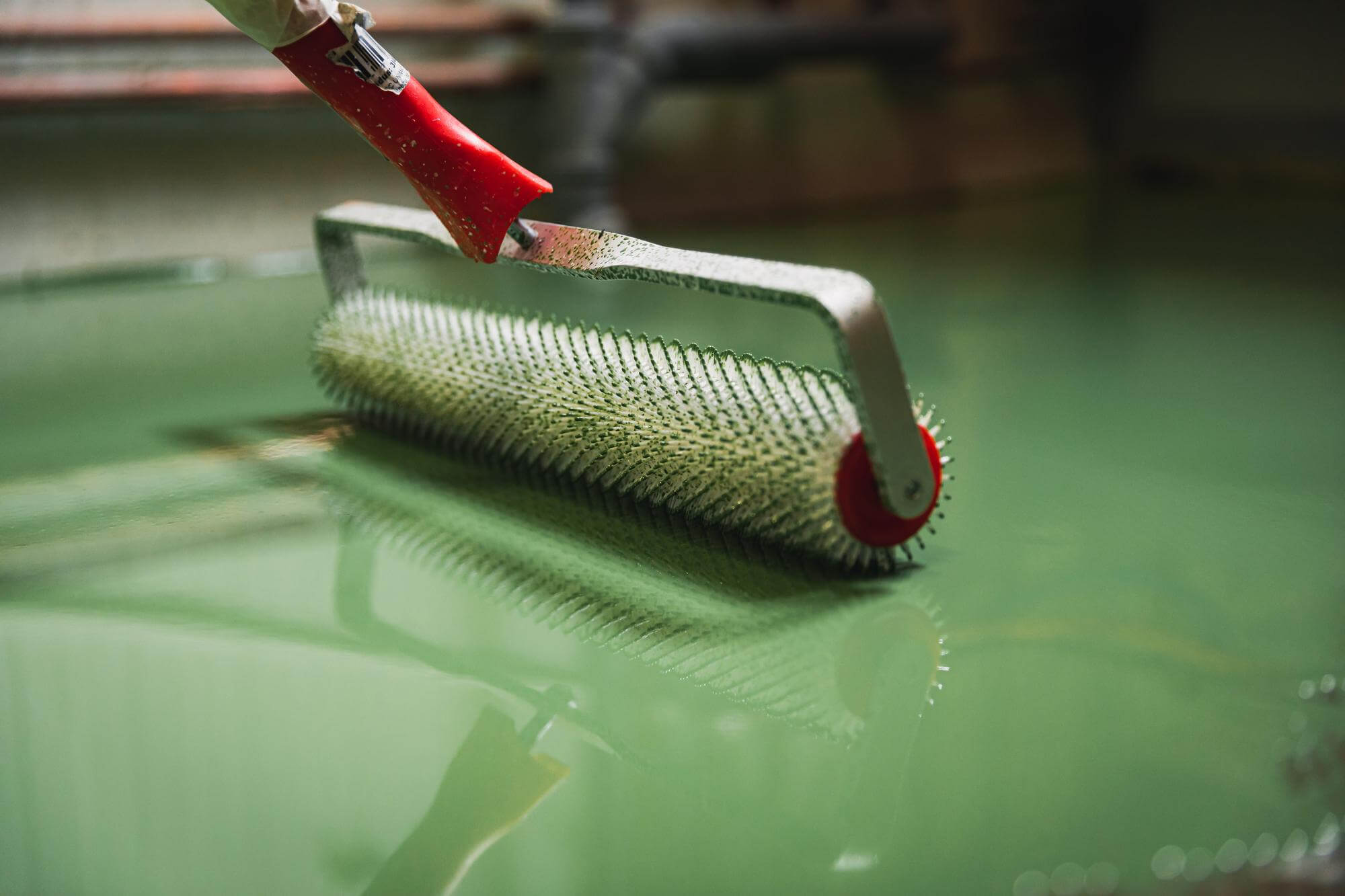
A contractor visiting an epoxy resin store Garden Grove location may spend considerable time comparing primers, base coats, topcoats, and decorative materials. Yet even the correct product can perform poorly when mixing, temperature control, batch sizing, or application timing are handled carelessly. Resin flooring depends on chemistry, so jobsite discipline becomes part of the finished floor.
A well-organized crew treats the mixing station as seriously as surface preparation. Clear responsibilities, accurate ratios, clean tools, and a planned application sequence can reduce waste while helping each batch behave more consistently.
Build the Mixing Station Before Opening Kits
The best time to organize mixing equipment is before components are opened. Measuring containers, mixers, clean buckets, timers, gloves, rollers, squeegees, and application tools should already be in place.
Contractors sourcing materials from an epoxy store Garden Grove should also review the technical data for every product before the job starts. Mix ratio, induction time where applicable, pot life, temperature range, and recoat window can differ from one resin system to another.
Do Not Estimate Ratios by Eye
Two-component products depend on the correct proportion of resin and hardener. Guessing the ratio or using partially filled containers without accurate measurement can affect curing.
Whenever possible, complete pre-proportioned kits reduce calculation mistakes. If partial batches are permitted by the manufacturer, contractors should measure components using the specified method rather than relying on visual estimates.
The crew should also avoid assuming that a ratio used for one epoxy applies to another product.
Match Batch Size to Crew Speed
Mixing a larger batch may seem more efficient, but more material also generates more heat and leaves less room for delays. If the crew cannot place the resin before its working time expires, the remaining material can become unusable.
Batch size should reflect floor layout, temperature, crew size, and application method. Smaller controlled batches may be more practical around edges, detailed areas, or warmer conditions.
Tracking how long each batch actually takes to place can improve future planning.
Watch Temperature Closely
Resin behavior changes with temperature. Warm conditions can shorten working time, while colder conditions may slow curing and affect application characteristics.
Materials should be stored according to manufacturer guidance before use. Leaving resin in a hot vehicle or direct sun can change its temperature significantly before mixing even begins.
Contractors should also measure the jobsite conditions rather than assuming indoor air temperature tells the whole story. Concrete temperature can matter too.
Keep the Mixing Process Consistent
Every batch should follow the same sequence. Components should be combined for the required time, with attention to the sides and bottom of the container.
Aggressive mixing can introduce unnecessary air, while insufficient mixing may leave poorly blended material. The correct technique depends on the product, so current manufacturer instructions should guide the process.
Using a timer can make mixing more repeatable than relying on judgment alone.
Avoid Contamination Between Products
A mixing paddle used for one material can contaminate another if it is not cleaned or replaced appropriately. The same applies to buckets, rollers, and application tools.
This becomes especially important when crews move from primer to pigmented epoxy and then to a clear protective coat. Dedicated or properly cleaned tools can reduce accidental color or chemistry transfer.
Organizing equipment by stage can keep the workflow cleaner and easier to manage.
Record Batch Information on Larger Jobs
Commercial or multi-room projects may involve several kits and application periods. Recording product name, batch number, mix time, and installation area can create a useful job record.
If a problem appears later, these notes can help identify which materials and conditions were involved. They can also reveal whether delays or temperature changes affected one section differently from another.
Simple documentation adds little time but can provide valuable quality-control information.
Plan the Next Layer Before the Current One Cures
Resin flooring systems often have defined recoat windows. Missing that window can require additional sanding or preparation before the next layer is applied.
The crew should therefore know what comes next before starting the current coat. Decorative flakes, topcoats, tools, and labor should be ready rather than organized after the floor has already begun curing.
Good sequencing helps the chemistry and the crew stay aligned.
Conclusion
Resin flooring quality depends on more than purchasing suitable materials. Accurate ratios, controlled batch sizes, temperature awareness, clean tools, consistent mixing, and careful recoat timing all influence how smoothly the installation proceeds.
Contractors who standardize their mixing process can reduce avoidable waste and make results more consistent from batch to batch. Treating resin chemistry as part of jobsite quality control turns the mixing station from a simple preparation area into one of the most important stages of the entire flooring project.
