
Each component impacts patient and worker satisfaction in sensitive medical facilities. Air and noise pollution impair healthcare workers’ health and patient rehabilitation, making them vital. Poor air quality can cause respiratory disorders, but excessive noise can stress, disrupt sleep, and hinder staff-patient communication.
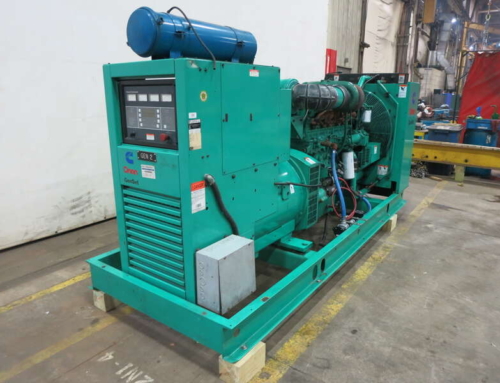
3-phase generators are increasingly used for basic power demands, especially in healthcare institutions that need a steady energy supply, therefore choosing 3 phase generator with low noise and exhaust emissions is important. Decision-makers must prioritize sound quality and air purity in their operational plan since noise and air pollutants affect medical patients. Hospital air quality and noise greatly impact patient outcomes. It also advises hospitals on choosing generators that relax, hygiene, and boost patient and staff wellness.
Patient Recovery and Noise Pollution
Noise pollution in hospitals can affect patient health and recovery, making it more than a nuisance. Research suggests excessive loudness may stress patients. Stress can increase blood pressure, heart rate, and sleep difficulties. Noise affects hospital recovery, especially for patients. Research shows that noise can make patients anxious and uncomfortable, impeding healing and lengthening hospital stays. Operating rooms and ICUs must be silent, making noise control even more important. These zones promote healing, but noise can inhibit it. Therefore, hospitals must promote quiet generators and other relaxing equipment.
Employee Health and Exhaust Emissions
Reducing noise pollution is important, but exhaust emissions damage medical workers too. Older, less efficient generators emit nitrogen oxides, particulate matter, and volatile chemicals. Pollution-induced headaches, respiratory difficulties, and other illnesses may impair healthcare workers’ quality of life.
Select Generators with Noise-Reduction Features
A 3-phase generator’s noise level is important in quiet clinics and hospitals. Generator manufacturers provide decibel ratings to help you choose a quieter type. A generator under 60 dB is usually quiet enough for medical patients and staff. To reduce noise, choose generators with advanced muffling systems or soundproof enclosures and decibel ratings. Noise-reducing barriers and vibration-damping mounts can further minimize noise. Working with silent generator experts can also help. These experts suggest quieter devices. Buy a silent generator to improve patient care and staff well-being. The generator works effectively while maintaining the serene environment essential for healing and productivity due to this thorough selection.
Prioritizing Environmentally Friendly Options
Health and safety demand quiet, eco-friendly generators. Alternative fuels like biodiesel or natural gas reduce diesel generator emissions. Hybrid generators lower operational emissions and improve facility sustainability by mixing conventional and renewable energy sources like solar panels. Medical generator selection must comply with air quality regulations. Choose models that meet or exceed these requirements to improve local air quality.
Buying Quality Generators Benefits
Buying quiet, eco-friendly, high-quality generators is beneficial. Healthcare firms benefit long-term from patient happiness and reputation, as well as speedier patient recovery and better employee wellness. Happy patients endorse hospitals, which raises rankings and draws more patients. Health-conscious facilities may save on fuel and operational interruptions with modern generators. Employee involvement in generator selection can promote a health-conscious culture and make them glad to work for a firm that cares about them and patients.
Conclusion
Generator selection impacts medical air quality, health, and noise reduction. Healthcare businesses can improve patient care and staff wellness with a quiet, environmentally friendly 3-phase generator. The best practises show sustainability, occupational safety, and good patient care. Powering medical operations with smart noise and emission choices improves patient outcomes and hospital efficiency.
