
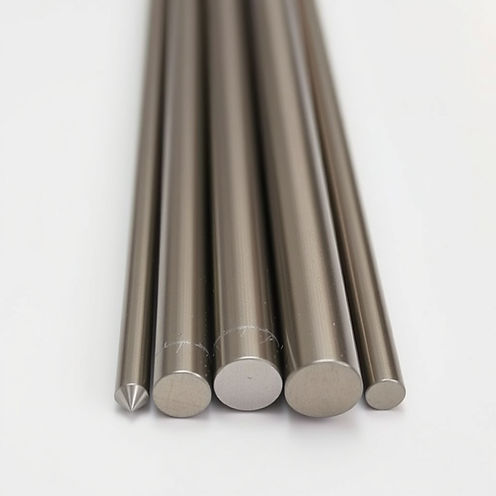
Picking the correct tungsten rod takes more thought than many people expect. High-temperature industrial work puts materials under constant pressure, heat, and wear that ordinary metals simply cannot handle for long. Different projects also demand different rod sizes, purity levels, and machining properties. Understanding those small differences helps avoid unnecessary replacement costs later. Many professionals also compare suppliers before they buy engineering materials supplier products because material consistency often matters as much as technical specifications.
Understand Heat Limits
Tungsten stands out because it has one of the highest melting points among all pure metals. That single property makes it valuable for furnaces, aerospace components, electrical contacts, and laboratory equipment. Still, temperature alone should never guide your decision completely. Some applications involve repeated heating and cooling cycles that create thermal stress. Instead of peak temperature, a better indication of which tungsten rod will be efficient for normal industrial operating conditions can be obtained by reviewing the operating conditions.
Check Material Purity
The purity level of the material directly influences strength, electrical characteristics and contamination resistance during challenging production processes. In extreme conditions, in particular when manufacturing tolerances are critical, higher-purity tungsten will more often than not provide more predictable behavior. In some industries, composition certifications are also needed prior to the approval of production batches. When considering the purchase of engineering materials supplier products, it is always important for businesses to study any technical documents thoroughly in addition to the descriptions provided. This additional check ensures that no unexpected compatibility issues during manufacture.
Match Rod Dimensions
Seemingly simple as it is, the selection of the right diameter rod can impact the quality of the finished product, as well as the speed and strength of a machine. Thick rods are more structurally sound, but can also be more time-consuming to machine and wasteful in material. This can result in lower overall weight for acceptable performance, for lighter industrial equipment. The most common way for engineers to choose dimensions is to compare load requirements, installation space, and manufacturing processes. The operating results are frequently more positive in the long run in the process.
Evaluate Working Environment
Materials are usually subjected to other stresses in addition to heat when used in industrial settings. Each of these conditions – moisture, chemicals, vacuum and oxidizing – can affect tungsten differently. Some are running around the clock (several months), and some are short production runs with frequent stoppages. The different situations provide their own particular material needs and should be considered. Tungsten companies that need to purchase Shop Advanced Ceramic Materials in addition to tungsten parts will typically create an entire system for a comparable working environment, which enhances compatibility between different engineered materials.
Compare Manufacturing Grades
Not all tungsten rods are made under the same conditions or have the same quality of finish. Quality in manufacturing will impact the grain structure, dimensional tolerances and even the consistency of the machinability of different product batches. Technical data sheets are used by industrial buyers when making buying decisions, as they contain much more information than just the product label. When experienced engineering material suppliers sell the materials to their distributors, you can get more detailed specifications that help in the engineering evaluation that occurs before production.
Consider Processing Needs
In some cases, it takes a long time to machine the tungsten rods before they are installed in the machine, and in other cases, they are made close to their final size. If you plan the processing steps up front, you can avoid the time and labor wasted in production. The factors of hardness, brittleness and fabrication methods have different effects on fabrication efficiency. Precision manufacturing shops commonly use advanced ceramic materials in addition to tungsten due to the fact that advanced ceramics can be used in high-temperature assemblies where dimensional stability and wear resistance are still crucial in long periods of operation.
Verify Supplier Support
When it comes to specialized industrial materials, technical support can be valuable. A reliable supplier typically offers potential customers certifications, directions on how to apply the product and detailed specifications, helping to make material selection before ordering easy. The speed of communication can also alleviate issues related to tolerances, availability, or suggested alternatives for special applications. Customer Service is as important as pricing when considering purchasing products from any engineering material supplier, as consistent customer technical support can save production time and unnecessary purchases in the long run.
Conclusion
When choosing the appropriate tungsten rod, it is not necessary to consider only one specification, but also consider the properties of the tungsten rod in use. Regmetals.com provides industrial material solutions to help businesses identify the right materials and source Shop Advanced Ceramic Materials and all engineering products used in challenging applications. Exercising care over technical specifications before ordering helps in optimizing the operations, mitigating maintenance issues and increasing the level of confidence in buying. One of the best long-term investments that can be made for industrial performance is careful material selection.
