
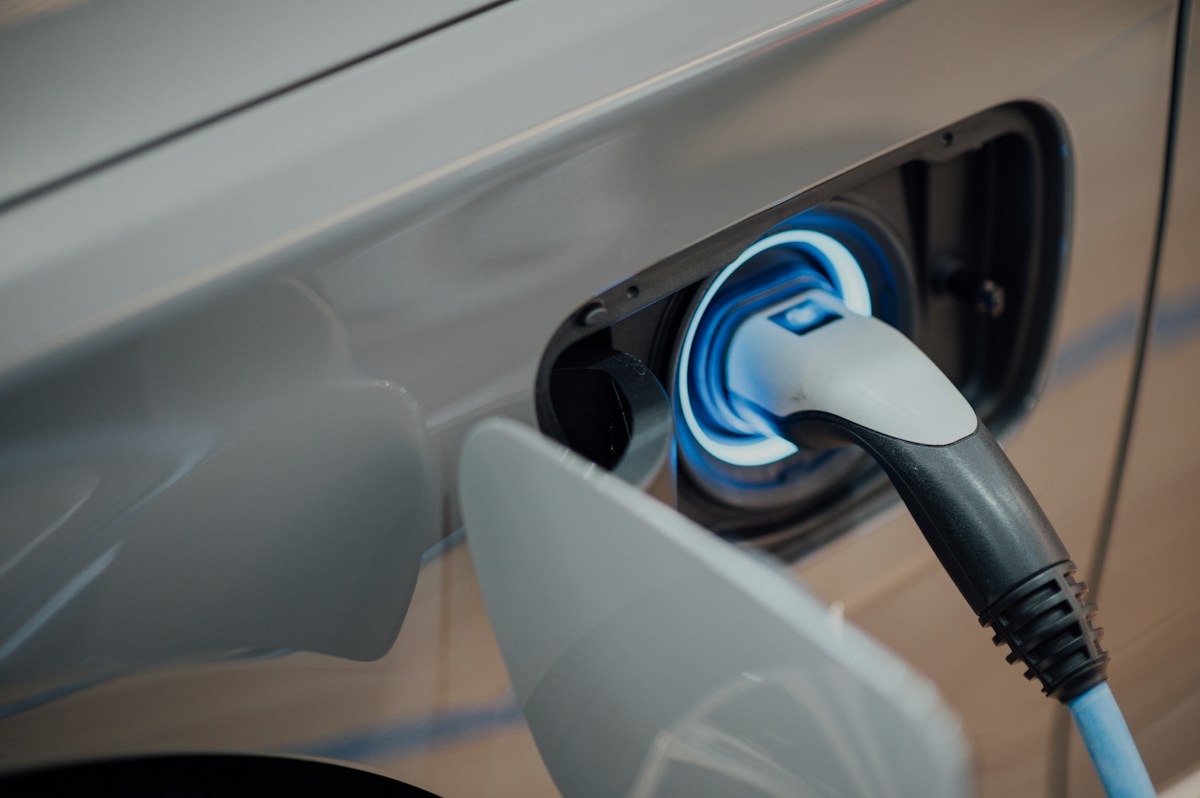
The rapid growth of electric vehicles (EVs) has transformed the automotive industry and accelerated the demand for advanced charging infrastructure. As EV adoption continues to rise worldwide, the technology behind charging systems has evolved significantly. Modern EV cables and chargers are no longer simple power delivery tools; they now incorporate smart technologies that improve efficiency, safety, convenience, and overall user experience. These innovations play a crucial role in supporting the future of sustainable transportation.
One of the most important advancements in EV charging technology is intelligent power management. Smart chargers can communicate with vehicles and charging networks to determine the optimal charging rate based on battery condition, grid capacity, and energy demand. This dynamic adjustment helps prevent overloading electrical systems while ensuring that vehicles receive the appropriate amount of power. As a result, charging becomes more efficient, reducing energy waste and improving battery longevity.
Modern EV cables have also become smarter through the integration of sensors and monitoring systems. These sensors continuously track factors such as temperature, voltage, and current flow. If abnormal conditions are detected, the system can automatically reduce power delivery or stop charging altogether to prevent overheating and electrical hazards. This enhanced safety feature is particularly important as charging speeds continue to increase and higher power levels become common in residential and commercial charging stations.
Connectivity is another key feature that defines smart EV charging solutions. Many modern chargers are equipped with Wi-Fi, Bluetooth, or cellular communication capabilities. These features allow users to monitor and control charging sessions remotely through smartphone applications. Drivers can check charging status, schedule charging during off-peak electricity hours, receive maintenance alerts, and even track energy consumption. Such convenience helps users better manage their charging habits while reducing electricity costs.
Smart technology also supports energy optimization and sustainability goals. Advanced chargers can integrate with renewable energy sources such as solar panels and home energy storage systems. By intelligently managing when and how electricity is used, these chargers maximize the utilization of clean energy. For example, a smart charger can automatically prioritize solar-generated power during daylight hours, reducing reliance on the electrical grid and lowering carbon emissions.
Another significant benefit of smart EV cables and chargers is their role in smart grid integration. As the number of EVs increases, utility companies face challenges related to electricity demand and grid stability. Smart charging systems can communicate with utility providers to balance energy loads across the network. During periods of high demand, charging rates may be adjusted temporarily to reduce strain on the grid. Conversely, charging can be accelerated when surplus renewable energy is available. This two-way communication helps create a more resilient and efficient energy ecosystem.
Vehicle-to-Grid (V2G) technology further expands the capabilities of smart charging infrastructure. With V2G-enabled chargers, electric vehicles can not only draw power from the grid but also return stored energy when needed. This technology transforms EVs into mobile energy resources that can support grid stability during peak demand periods. Smart cables and chargers facilitate the secure transfer of energy while monitoring system performance to ensure reliability and safety.
Data analytics and predictive maintenance are additional advantages of smart charging solutions. Charging stations can collect operational data and identify potential issues before they become serious problems. Maintenance teams receive alerts about component wear, connection faults, or performance irregularities, enabling proactive servicing. This reduces downtime, extends equipment lifespan, and enhances the overall reliability of charging networks.
As electric mobility continues to expand, smart technology will remain at the heart of EV charging innovation. Intelligent EV cables and chargers provide enhanced safety, improved efficiency, greater convenience, and stronger integration with renewable energy systems. By enabling smarter energy management and supporting future technologies such as Vehicle-to-Grid systems, these advanced charging solutions are helping build a more sustainable and connected transportation ecosystem for the years ahead.
