
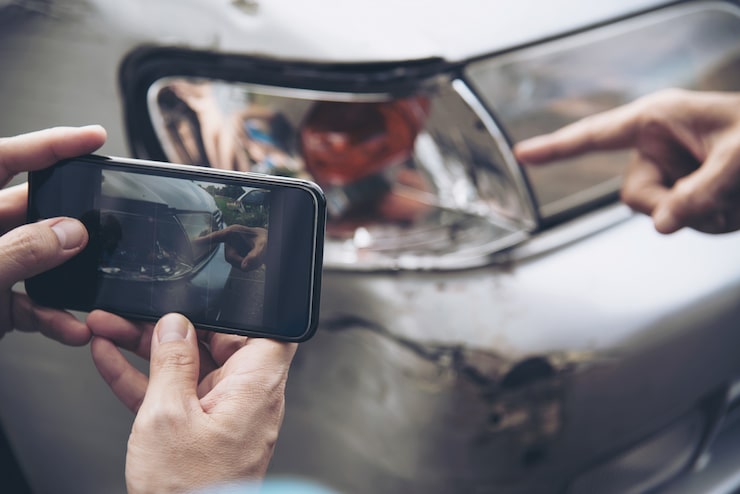
A minor collision or parking lot mishap can leave vehicle owners facing unexpected repair decisions—and costs that are not always straightforward. Paintless dent repair pricing has become an increasingly popular solution because it restores a vehicle’s appearance without repainting or replacing panels. However, many drivers still struggle to understand what goes into a vehicle repair estimate and why prices can vary so widely. This article breaks down the key factors behind paintless dent repair costs, how estimates are calculated, and when this method offers the best value for modern vehicle owners.
What Influences Paintless Dent Repair Pricing in a Vehicle Repair Estimate
Paintless dent repair pricing is determined by several technical and situational factors that directly affect a vehicle repair estimate. The most significant factor is dent size and depth, as shallow dents are quicker to correct than deep or stretched metal damage. Location also matters—dents on flat panels are easier to fix than those near edges or structural curves.
Damage complexity and access
Technicians assess whether tools can reach the damaged area from behind the panel. Limited access increases labor time and cost.
Vehicle material and finish
Aluminum panels and high-end finishes often require more precision, raising the overall estimate.
Together, these variables shape the final price, making each repair unique rather than standardized.
Average Costs in a Vehicle Repair Estimate for Paintless Dent Repair Pricing
The average paintless dent repair pricing included in a vehicle repair estimate can vary significantly depending on regional labor rates and damage severity. Small dents, such as door dings, typically fall on the lower end of the pricing scale, while larger dents can increase costs substantially. In many cases, minor repairs are far more affordable than traditional body shop work, making this method attractive for cost-conscious vehicle owners.
Typical price ranges
Small dents may be priced per dent, while multiple dents are often bundled into a single estimate for efficiency.
Cost efficiency benefits
Because paintless methods avoid paint and filler materials, labor becomes the primary cost driver, often reducing overall expenses compared to conventional repairs.
This cost structure helps consumers better interpret their vehicle repair estimate before committing to service.
Damage Assessment and How Vehicle Repair Estimate Is Calculated
A detailed inspection process is central to determining paintless dent repair pricing within a vehicle repair estimate. Technicians evaluate the dent’s shape, depth, and location before deciding whether paintless repair is viable. This assessment ensures accuracy and prevents unexpected costs during the repair process.
Visual and lighting inspection
Specialized lighting is used to highlight surface distortions that are not visible under normal conditions, improving estimate precision.
Labor time estimation
Once damage is mapped, technicians calculate the estimated repair time, which becomes the foundation of the pricing model.
Accurate assessment reduces uncertainty, allowing customers to understand exactly what they are paying for and why.
Insurance Role in Paintless Dent Repair Pricing and Vehicle Repair Estimate
Insurance coverage can significantly influence paintless dent repair pricing within a vehicle repair estimate. In many cases, insurers prefer paintless repair because it is more cost-effective than full bodywork, helping reduce claim payouts. However, approval depends on policy terms and the extent of damage.
Claim approval considerations
Insurers typically require photographic evidence and a certified repair estimate before authorizing work.
Out-of-pocket vs covered repairs
If the damage falls below the deductible, vehicle owners may choose to pay directly, using the estimate as a budgeting tool.
Understanding insurance involvement helps drivers make informed financial decisions and avoid unexpected repair expenses.
When Paintless Dent Repair Is Worth It Compared to Traditional Repairs
Paintless dent repair pricing becomes most valuable when damage is minor and paint surfaces remain intact, making it a strong alternative within any vehicle repair estimate comparison. Unlike traditional body repairs, it preserves the original factory finish and avoids repainting mismatches.
Ideal repair conditions
This method works best for hail damage, door dents, and low-impact collisions where the paint is not cracked.
Long-term value considerations
Maintaining original paintwork can also help preserve resale value, an important factor for many vehicle owners.
By comparing both methods, drivers can better interpret their vehicle repair estimate and choose the most cost-efficient solution.
Conclusion
Understanding paintless dent repair pricing is essential for interpreting any vehicle repair estimate with confidence. From damage size and accessibility to insurance involvement and repair method suitability, each factor plays a direct role in the final cost. While traditional repairs may still be necessary in severe cases, paintless techniques often provide a faster, more economical alternative without compromising finish quality. Ultimately, knowing how these estimates are built empowers vehicle owners to make smarter, more cost-effective repair decisions when unexpected dents occur.
