
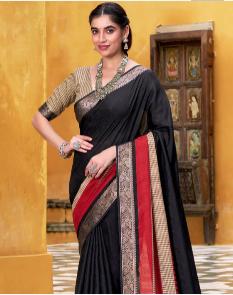
Elegance in ethnic wear often comes from garments that carry cultural richness while allowing personal expression. Among such outfits, the black saree holds a special place for its unmatched sophistication, while the yellow salwar suit radiates vibrancy and warmth. These outfits are favored across generations for celebrations, family gatherings, and festive events. The versatility of these ensembles allows them to suit various moods, occasions, and personal styles without ever appearing outdated.
Cultural richness reflected through vibrant clothing traditions
Traditional Indian attire speaks volumes about heritage, and colors play an essential role in that narrative. A black saree often represents grace and mystery, making it a popular choice for evening events and formal functions. On the other hand, a yellow salwar suit is associated with positivity, happiness, and auspicious beginnings. Both garments represent two ends of the cultural spectrum—one subtle and powerful, the other cheerful and radiant—yet they coexist beautifully in every ethnic wardrobe.
Styling variations suitable for multiple festive occasions
The beauty of these outfits lies in how differently they can be styled for various events. With the right accessories and draping techniques, they can be transformed effortlessly. Consider the following styling ideas:
- Pair a black saree with silver jewelry for a regal evening look.
- Add contrast bangles and embroidered footwear to enhance appearance.
- Choose delicate dupattas with a yellow salwar suit for daytime gatherings.
- Match traditional juttis and minimal jewelry for a balanced look.
These combinations help create distinct appearances without requiring extensive effort.
Fabric choices enhancing comfort and visual elegance
Selecting the right fabric can significantly influence how an outfit looks and feels. A black saree in chiffon or georgette offers a fluid drape, ideal for parties and receptions. Silk or cotton variations add a traditional touch for formal settings. Meanwhile, a yellow salwar suit in breathable cotton works well for daytime wear, while silk blends or organza fabrics elevate it for festive occasions. Fabric choice ensures both comfort and elegance remain intact throughout the event.
Accessories that complement traditional outfit aesthetics
Accessories can completely transform the visual impact of an outfit. A black saree pairs beautifully with statement earrings, sleek hairstyles, and metallic clutches. For a yellow salwar suit, floral jewelry, light makeup, and soft hairstyles add charm. Attention to small details such as footwear, bangles, and handbags can elevate the overall presentation and help maintain a cohesive appearance from head to toe.
Seasonal suitability across diverse weather conditions
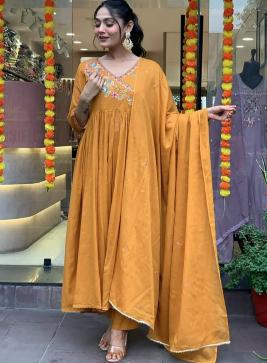
One of the advantages of these traditional outfits is their adaptability to different seasons. A black saree in lightweight fabric is suitable for summer evenings, while velvet or silk versions are perfect for winter celebrations. Similarly, a yellow salwar suit in airy material suits warm climates, whereas layered or embroidered versions fit well during cooler months. This flexibility makes them practical choices throughout the year.
Conclusion
Confidence often comes from wearing outfits that resonate with personal style and cultural roots. A black saree offers an aura of poise and sophistication, while a yellow salwar suit exudes freshness and joy. When worn thoughtfully with complementary elements, these outfits help create memorable impressions. They showcase how traditional clothing continues to evolve while maintaining its original charm, making them essential pieces in every elegant wardrobe.
