
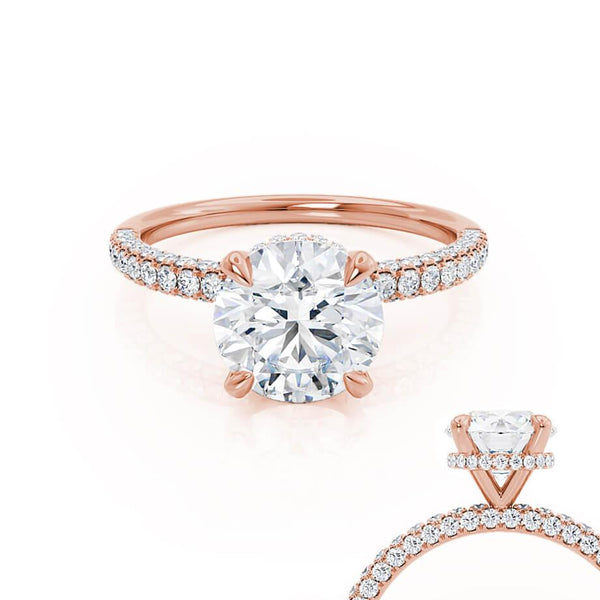
In recent years, there has been a noticeable shift in consumer tastes toward refined simplicity, a movement that highlights the growing preference for subtle elegance in design. This trend has influenced numerous industries, from fashion and interiors to digital interfaces and product development. Many brands, including lily arkwright, have embraced this direction by prioritizing understated beauty and thoughtful craftsmanship. The result is a design era that values clarity, restraint and authenticity while still capturing the imagination.
One of the defining characteristics of subtle elegance is its focus on minimalism without sacrificing warmth or character. Rather than relying on excessive embellishments or dramatic statements, designers are increasingly prioritizing clean lines, balanced proportions and muted color palettes. This approach creates an atmosphere of calm and sophistication. It also allows individual elements within a design to stand out more naturally, giving each detail a purpose. Consumers today gravitate toward pieces that feel intentional and timeless, reflecting a desire to escape constant visual noise.
The rise of this design preference is also tied to changing lifestyle values. People now place greater emphasis on well being, mindful living and sustainable choices. Subtle elegance complements these values by encouraging thoughtful consumption. Instead of mass produced items that quickly go out of style, there is an appreciation for long lasting materials, handcrafted elements and sustainable production methods. Many homeowners, for example, opt for interiors that rely on natural textures, soft lighting and functional layouts. These choices support a sense of comfort while maintaining aesthetic beauty.
Digital design has similarly adopted this approach. Modern websites, apps and user interfaces often rely on spacious layouts, gentle transitions and uncluttered navigation. This makes digital experiences feel more intuitive and accessible. Users can focus on content without distraction, and brands can communicate their identity with greater clarity. As technology continues to shape daily life, the preference for graceful simplicity becomes even more relevant.
Fashion has also embraced this understated philosophy. Designers are moving away from loud patterns or excessive adornments and gravitating toward refined silhouettes, neutral hues and versatile pieces that adapt to multiple occasions. This approach gives consumers the freedom to express themselves without overwhelming their personal style. It also supports sustainable fashion practices by encouraging purchases that will remain relevant for years rather than a single season.
In product design, subtle elegance often translates into intelligent functionality paired with a smooth, unobtrusive aesthetic. Companies are investing in materials that look and feel premium, ergonomic shapes that enhance user experience and design decisions that eliminate unnecessary complexity. This allows products to blend seamlessly into everyday environments while still delivering high performance. Consumers appreciate items that prioritize ease of use alongside beauty, reinforcing the appeal of thoughtful refinement.
The preference for subtle elegance reflects a broader cultural shift toward meaning, balance and intention. People want designs that elevate their surroundings and lifestyle without overwhelming them. As more industries embrace this trend, we can expect a continued emphasis on quality, craftsmanship and purpose driven creativity. Subtle elegance is not merely a passing aesthetic preference. It represents a deeper appreciation for design that enhances life in a quiet yet lasting way.
